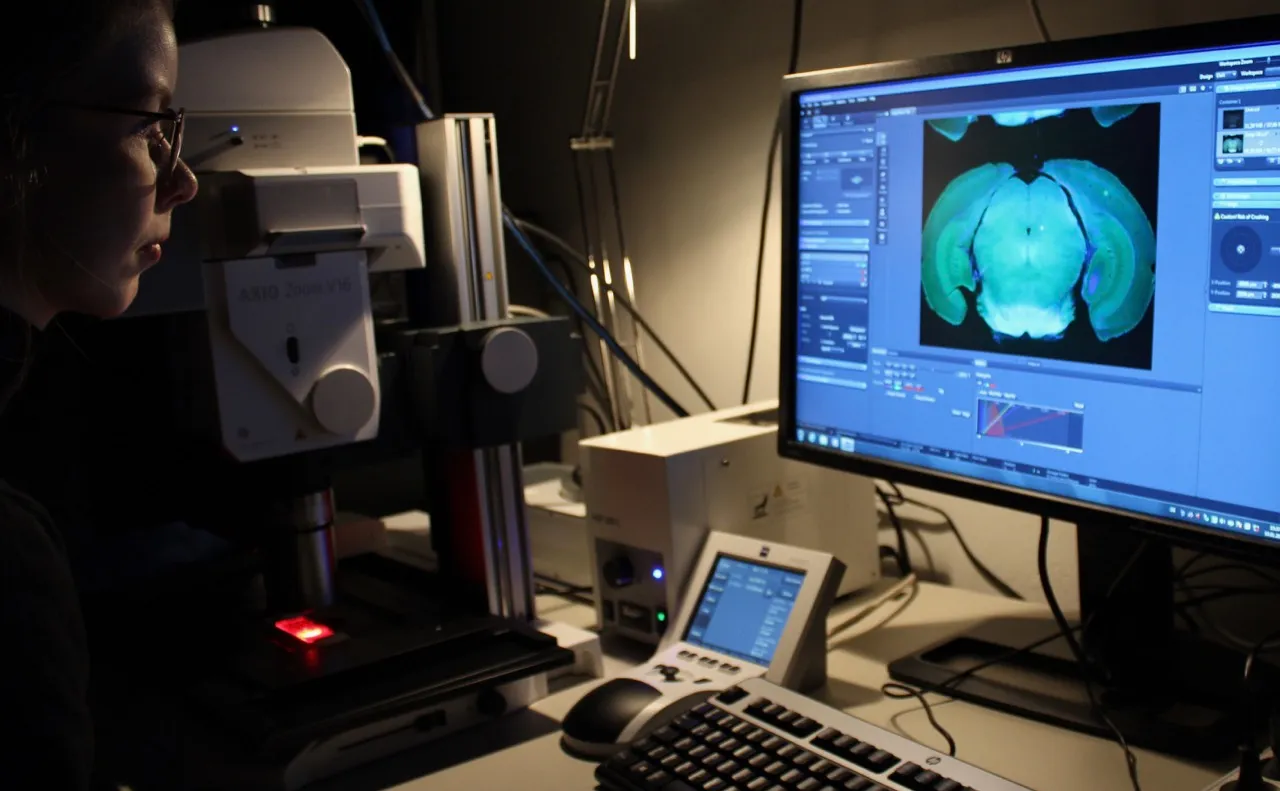
The Team
The diverse group of researchers in the Defense Circuits Lab

Philip Tovote
Professor
The Defense Circuits Lab (DCL) is led by Philip Tovote, who brings interdisciplinary background and expertise to his research and mentorship. He fosters an ambitious yet highly supportive environment driven by participative leadership. Ultimately, his goal is to cultivate an inclusive, team-oriented laboratory where every member is empowered to realize their professional potential.
Silvia Rodriguez-Rozada
PostDoc

Jérémy Signoret-Genest
PostDoc
Hanna Vila Merkle
PostDoc
Nina Schukraft
Scientific Coordinator
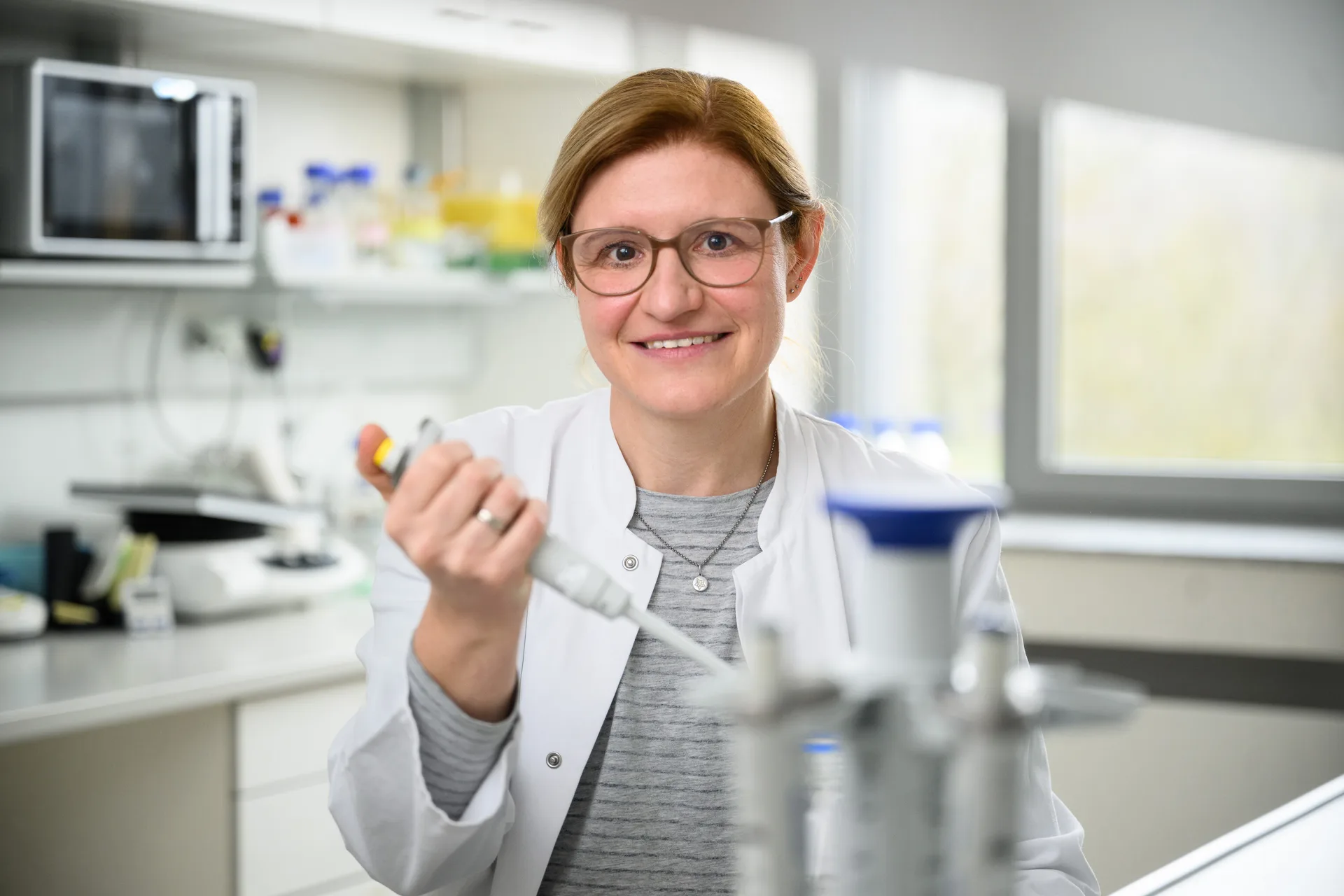
Katrin Walter
Lab Coordinator

Johannes Hartig
Clinician Scientist

Hamidreza Alimohammadi
Data Scientist
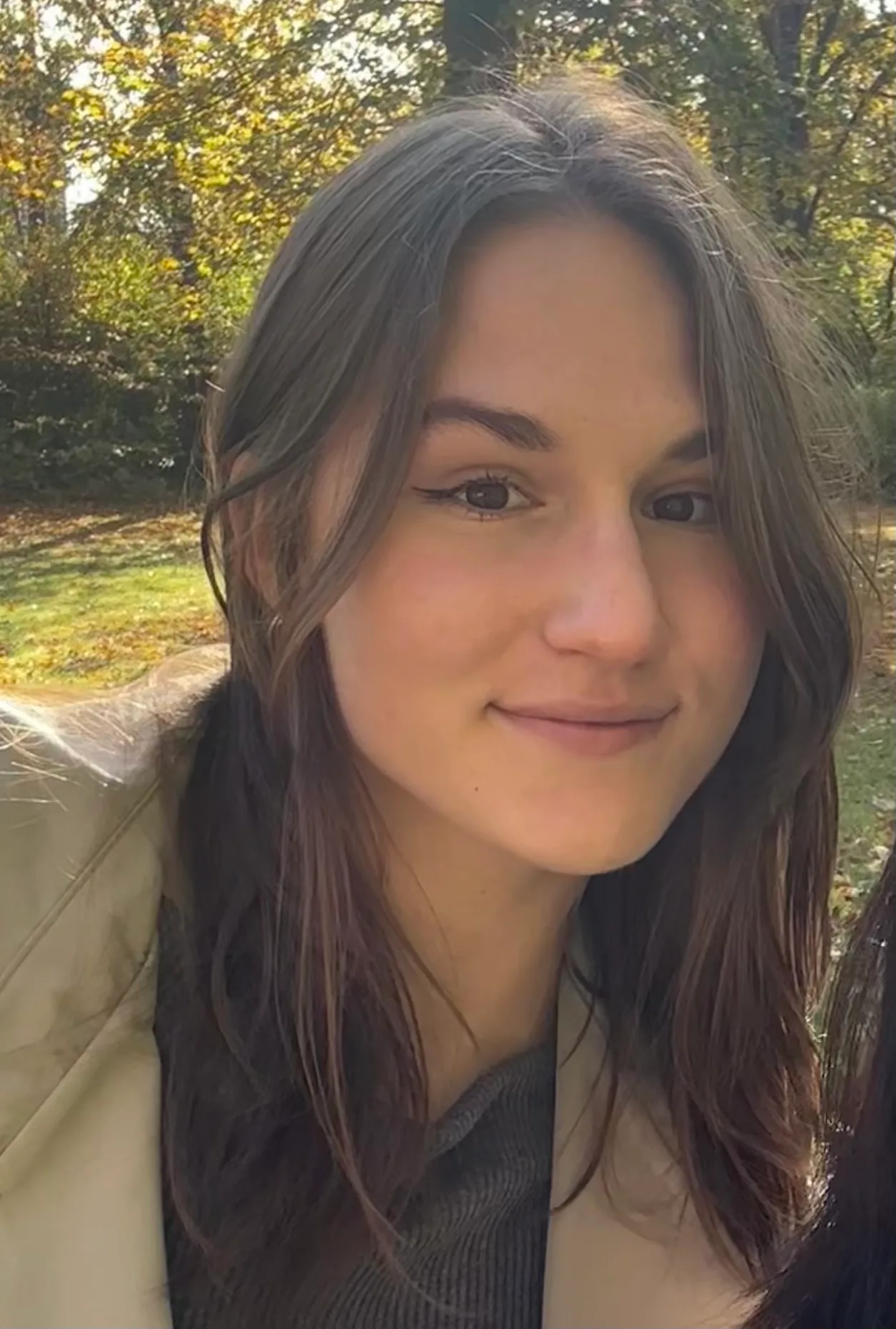
Petra Rebek
PhD Student

Mia (Wenyan) Wu
PhD Student
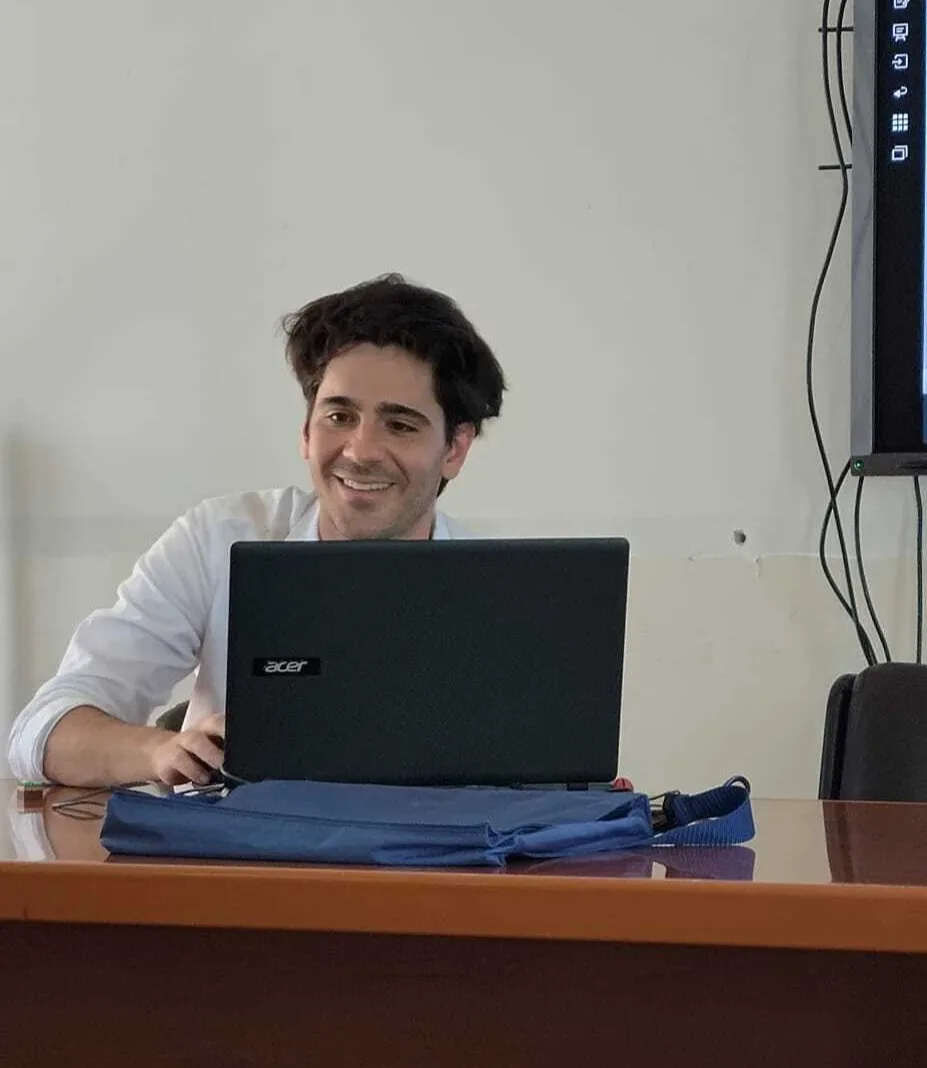
Fabio Felisati
PhD Student

Nis Focken
PhD Student

Nina Schöneberg
MD Student

Konstantin Kobel
MD Student

Emilia Derksen
Master Student
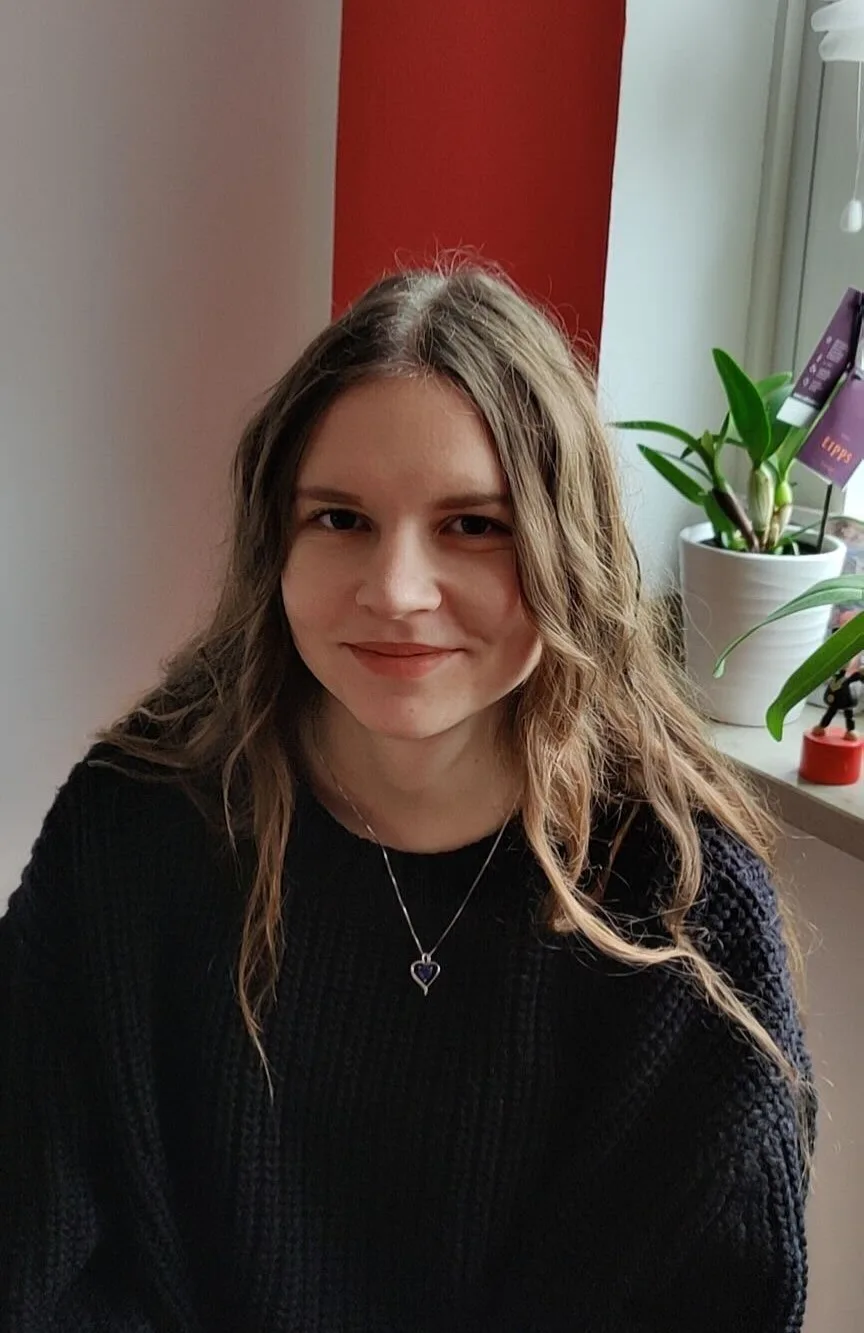
Maria Gruber
Master Student
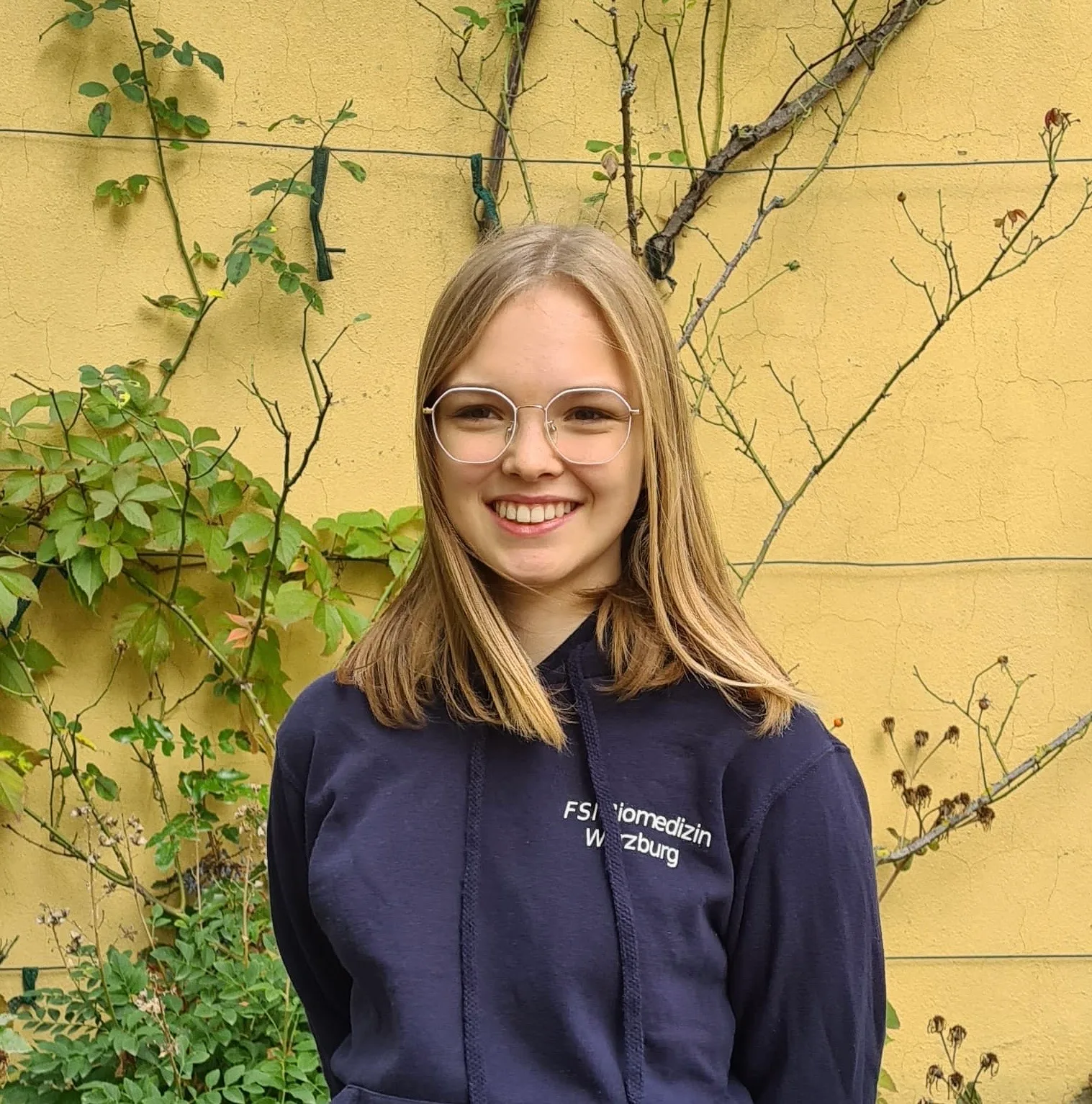
Annika Lenz
Bachelor Student

Nicole Rachor
Laboratory Technician
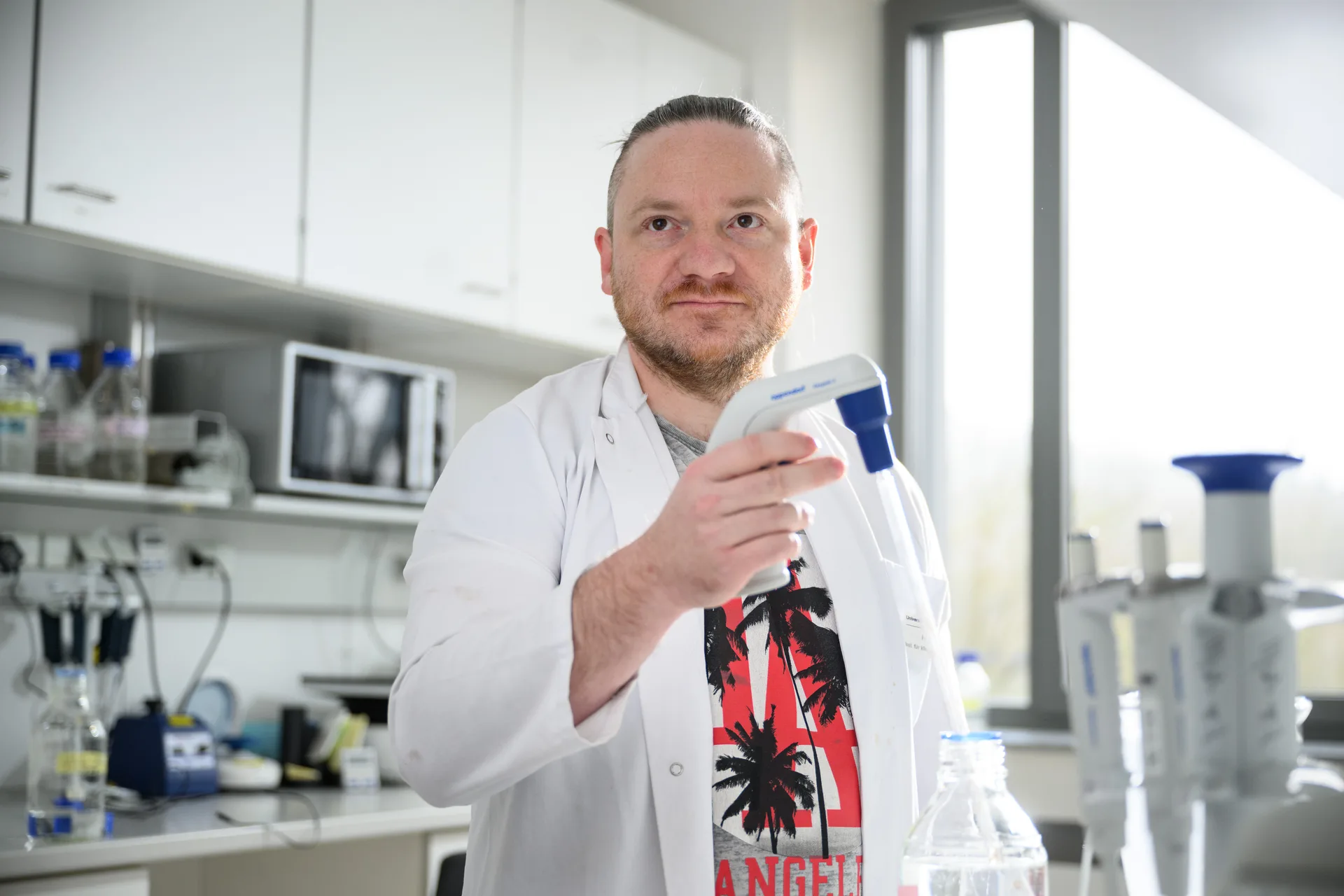
Christian Mehling
Laboratory Technician
Lab Alumni
Alexia Lantheaume
PhD Student
Jost Knaup
Assistant (cRDM)
Kilian Katzenberger
Master Student
Mariana Márquez-Machorro
PostDoc (cRDM)
Michael Schellenberger
Master Student
Nina Seiffert
PhD Student
Sara Lorenco dos Reis
PhD student
Maria Gruber
Bachelor Student
Gabriela Neubert da Silva
PhD Student
Dennis Segebarth
PostDoc
Alejandro Javier Pernía-Andrade
PostDoc
Jennifer Müller
Master Student
Sawako Tabuchi
PostDoc
Lara Lischka
Medical Student
Pauline Frech
PhD Student
Elisabete Bóf Ramos
Laboratory Technician
Moritz Hacke
Clinician Scientist
Yave Lozano
PostDoc
Chiara Spear
HiWi (Student assistant)
César Redondo Alañón
PhD Student
Nina Schöneberg
MD Student
Konstantin Kobel
MD Student
Annika Lenz
Bachelor Student
We developed the code of conduct
To ensure a harmonious, productive, and respectful environment, the DCL has established a Code of Conduct that outlines our shared ideals and the foundational rules for working together.
Some Basic Rules on How We Work Together
The DCL emphasizes respect, inclusivity, professionalism, teamwork, and clear communication. Members are expected to acknowledge others' contributions, act empathetically, resolve conflicts constructively, and respect both institutional hierarchies and merit-based scientific authority.
What You Can Expect from the DCL and Me
The lab commits to pursuing high-quality, impactful science while fostering collaboration and mutual support. The PI promises accessible supervision, mentoring, career support, participative leadership, and an environment that encourages independence and scientific growth.
General Rules on Work in the DCL
In the DCL, there are practical workplace expectations, including working hours, meeting structures, attendance requirements, home office policies, sick leave procedures, vacation reporting, communication standards, and conference participation. We put emphasis on active engagement in lab activities and transparent communication regarding availability and absences.
What Is Expected from You
Lab members are expected to maintain motivation, perform high-quality research, pursue ambitious scientific goals, and develop independence. The chapter also highlights the importance of worklife balance (not considering work and life as mutually exclusive), self-discipline, research integrity, responsible AI use, ethical animal research, participation in shared lab duties, and thoughtful career planning.
Pursuing a PhD in the DCL
PhD students are reminded that earning a doctorate is both a major achievement and a demanding commitment requiring sustained effort and publication success. The DCL provides a scientifically excellent environment for pursuing your educational goals.